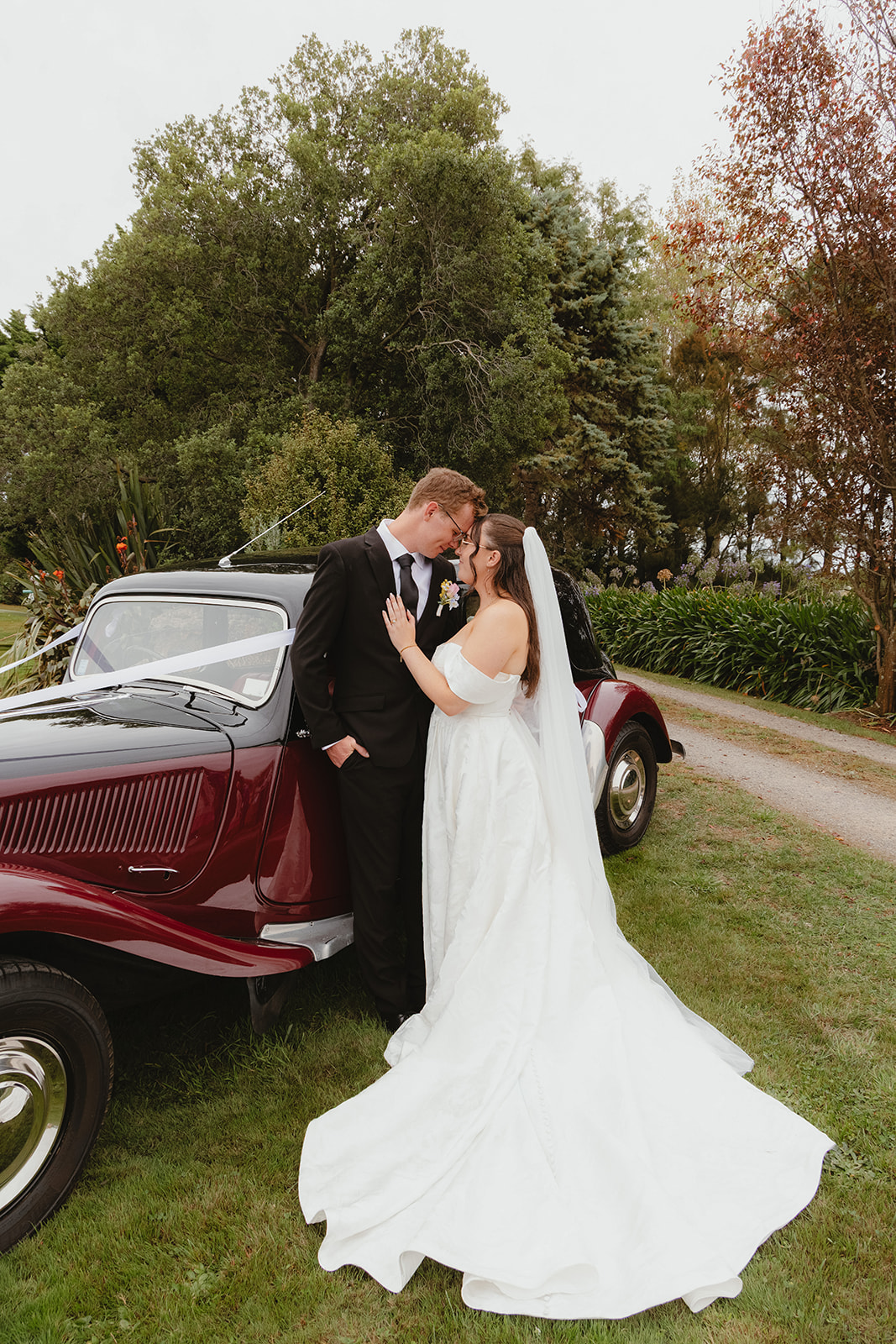
From getting ready to the dance floor, here’s how to work out how many hours of photography make sense for your wedding.
Start with the moments you actually want photographed
When couples first start looking at wedding photography packages, one of the hardest things to work out is how many hours they actually need.
Six hours? Eight? Ten? Do you really need photographs of getting ready? And how long does a photographer need to stay at the reception before there are approximately 600 photographs of the same five people dancing?
Rather than choosing a number of hours first, I always think it makes more sense to work backwards.
Think about the parts of your wedding day you genuinely want to remember.
If you’d love your photographs to tell the story from the quiet beginning of the morning right through to everyone filling the dance floor that night, you’ll naturally need more coverage than a couple who only wants their ceremony, portraits and the beginning of their reception photographed.
There’s no magic number that suits every wedding.
What does full-day wedding photography usually cover?
For most weddings, full-day coverage starts during the getting-ready part of the day and continues into the reception.
That gives me time to photograph your details, the people you’re getting ready with and all those little moments happening before anyone has even left for the ceremony.
Then there’s the ceremony, congratulations afterwards, family photographs, your wedding party, portraits of the two of you, cocktail hour, reception entrance, dinner, speeches, cake cutting and eventually the dance floor.
When all of that is happening across different locations, those hours disappear surprisingly quickly.
Do you need getting-ready photographs?
You don’t need anything photographed.
But I do think the morning is worth considering as part of the story.
Getting-ready photographs aren’t just pictures of someone having their makeup done.
They’re your mum helping with a dress. Your friends sitting around with coffee or champagne. Someone frantically steaming a shirt that probably should have been dealt with yesterday.
There can be nerves, excitement, gifts, letters and sometimes some really beautiful quiet moments before everything begins.
It also gives me time to settle into the day and photograph what’s happening naturally before we head into the ceremony.
If those moments matter to you, allow enough coverage to include them without everything feeling rushed.
Think about whether you’re getting ready in two different places
This can make a surprisingly big difference to your photography timeline.
If you’re both getting ready at the same venue, photographing each side can be relatively straightforward.
If you’re 25 minutes apart, that’s suddenly 50 minutes of driving before we’ve even reached the ceremony.
It doesn’t mean we can’t photograph both. We just need to account for it when deciding when your coverage should begin.
The same applies throughout the day.
Travel time is still photography coverage time, even though I’m mostly using it to listen to music and hope Wellington traffic behaves itself.
A first look can change how you use your coverage
If you’re planning a first look, we can often photograph some of your portraits, wedding party photographs or even family photographs before the ceremony.
That can completely change the shape of the afternoon.
Instead of disappearing for photographs immediately after you’re married, you might be able to spend more of cocktail hour with your guests.
It doesn’t necessarily mean you’ll need fewer photography hours, but it can help us use those hours differently.
If you’re considering one, you can also read my guide to [planning a first look on your wedding day].
Don’t forget the gaps in your timeline
One of the easiest mistakes to make is adding up only the obvious parts of the wedding.
One hour for getting ready. Thirty-minute ceremony. One hour of portraits. Reception.
Done!
Except weddings contain lots of little in-between bits.
Driving between locations. Guests congratulating you after the ceremony. Family members wandering off immediately before family photographs. Bustling a dress. Touching up makeup. Waiting for everyone to find their seats.
None of those things are problems. They’re just part of a real wedding day.
It’s why I always prefer a timeline with a little breathing room rather than trying to squeeze everything into the absolute minimum amount of coverage.
How late should your photographer stay?
This really depends on what’s happening at your reception and which parts of it matter to you.
If speeches are important, make sure your coverage includes them. The same goes for your cake cutting, first dance or anything else you’ve planned for the evening.
And if you want photographs of the party, your photographer doesn’t necessarily need to stay until the venue turns the lights on and someone starts looking for a missing shoe.
Once the dance floor is properly underway, there’s usually plenty happening to capture the atmosphere and give you a brilliant record of that part of the night.
And if the location gives us an opportunity for a beautiful nighttime portrait, I might steal you away for another five minutes before I leave.
More hours don’t automatically mean better photographs
This is important.
You shouldn’t book ten hours simply because ten sounds better than eight.
The right amount of coverage is the amount that allows the parts of your wedding you care about to be photographed properly.
For a smaller wedding with everything happening in one location, you might need less.
For a wedding with two getting-ready locations, travel, a ceremony, portraits and a full reception, you may need more.
I’d much rather help a couple build their coverage around their actual plans than try to squeeze every wedding into exactly the same timeline.
So, how many hours do you actually need?
Start by thinking about when you’d like your photographs to begin and when you’d be happy for your photographer to finish.
Then consider the moments in between.
Do you want both of you photographed while getting ready? How much travel is involved? Do you want to spend cocktail hour with your guests? Are speeches, your first dance and the dance floor important parts of the story for you?
Once you know which parts matter most, it becomes much easier to work backwards and figure out how much photography coverage makes sense.
And if you’re still not sure, that’s completely normal.
You don’t need to have your wedding timeline perfectly planned before you book your photographer. Part of my job is helping you work through all of this and making sure we’ve allowed enough time for the photographs you care about without your wedding day feeling like one enormous photoshoot.
Because ultimately, I want you spending most of it doing the important bit.
Actually having your wedding. x
By signing up, you’ll also receive occasional wedding planning tips, inspiration and updates from me. You can unsubscribe at any time.
free wedding planning resource
There are a lot of moving pieces when you’re planning a wedding, including plenty of things you might not even know you need to think about yet.
I've put together my Wedding Planning Guide, filled with practical advice, helpful tips and everything I've learnt from being behind the scenes of wedding days, to make planning yours feel that little bit easier.
Pop your details below and I’ll send it straight to your inbox. x