Because the best wedding days have plenty happening, without ever feeling rushed.
A good wedding day timeline isn’t about scheduling every minute of your wedding.
It’s actually the opposite.
Having a thoughtful plan in place means that when the day arrives, you can stop thinking about what happens next and simply enjoy it.
And while every wedding is different, there are a few things worth considering when you’re beginning to piece yours together.
Start with the things that can’t move
Before worrying about when photographs will happen or what time you should start getting ready, begin with the parts of your wedding that already have a set time.
Your ceremony is usually the obvious one, but this might also include venue access, transport, catering, sunset, entertainment or when you need to finish at the venue.
Once those anchors are in place, you can start building the rest of the day around them.
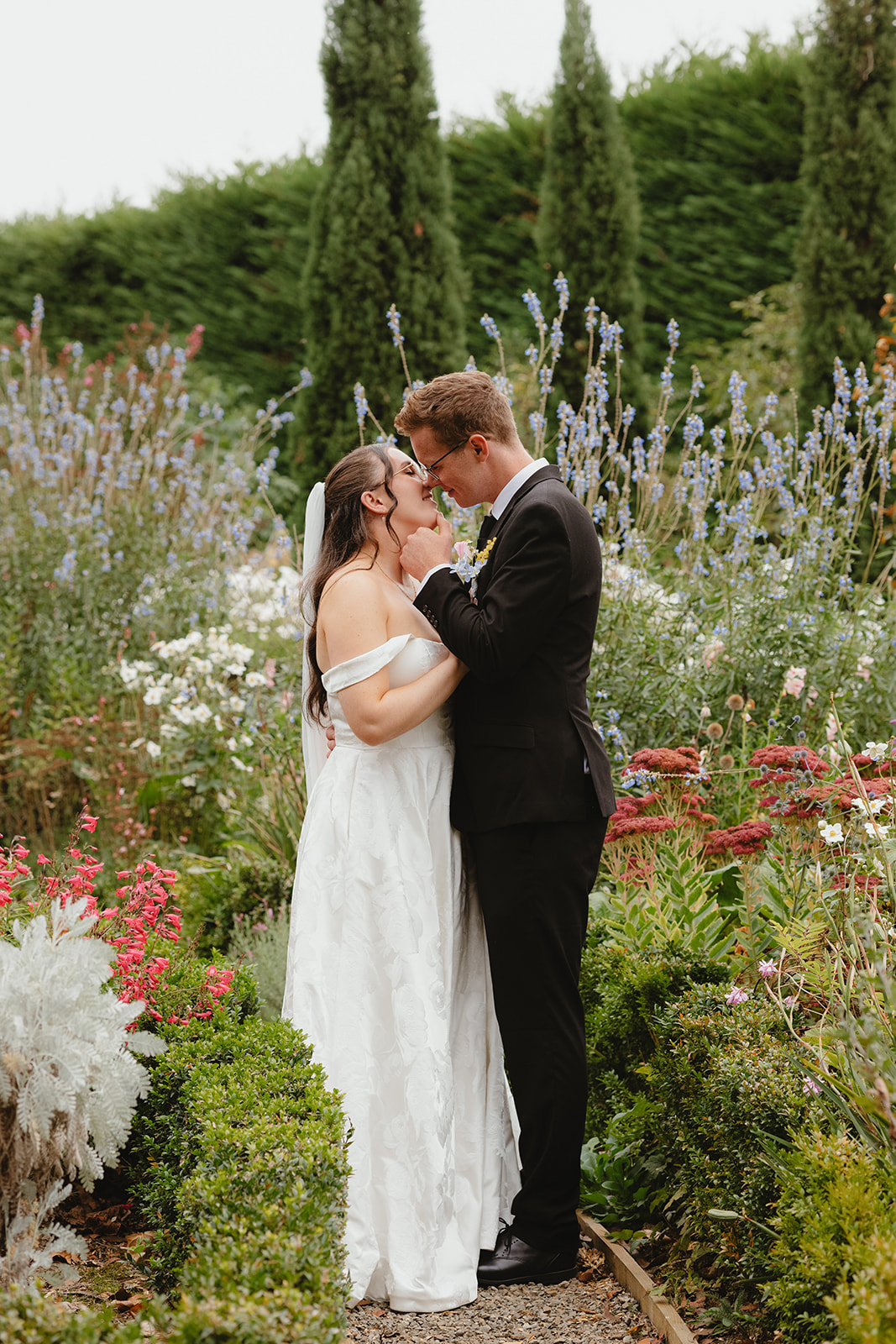
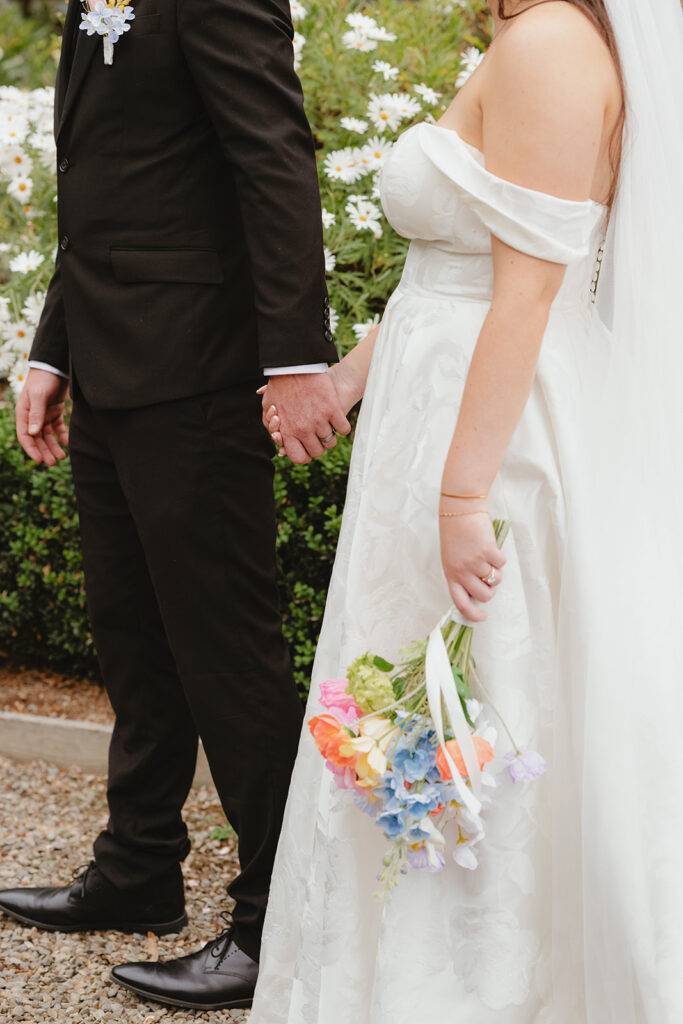
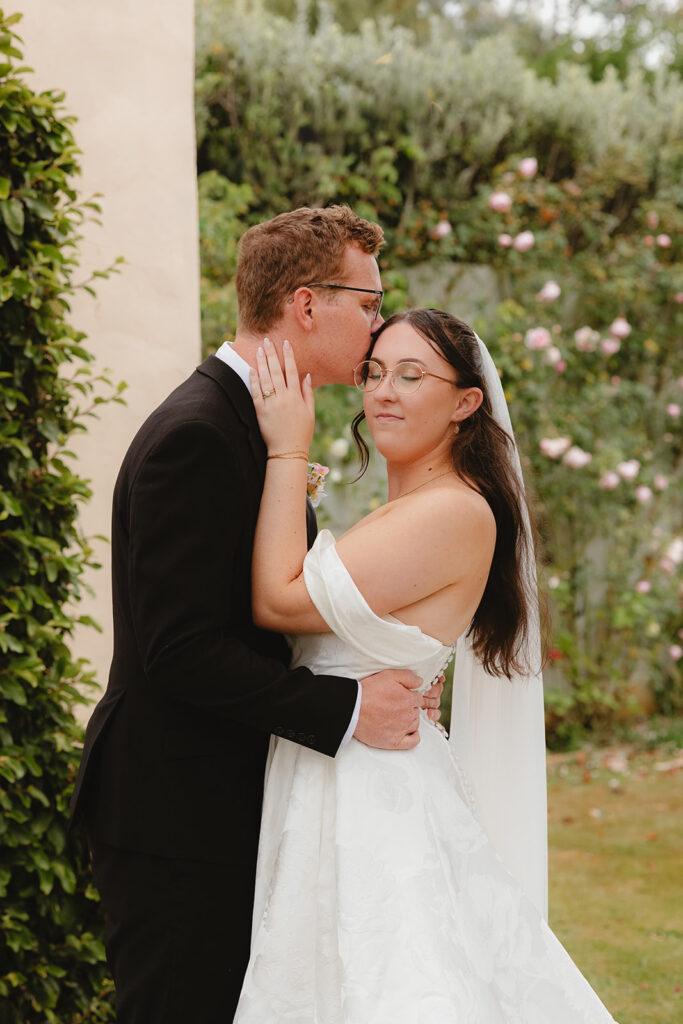
Give everything a little more time than you think
One of the easiest ways to make a wedding day feel stressful is to create a timeline where everything only works if absolutely nothing runs late.
Something will.
Hair might take a little longer. Someone will disappear when it’s time for family photographs. A button will suddenly become everyone’s greatest enemy.
Adding small pockets of breathing room throughout the day means none of those things need to become a problem.
Think about your photographs before the day
You don’t need to plan every photograph or turn your wedding into a photoshoot, but deciding when the important groups of photographs will happen makes an enormous difference.
Think about time for:
- Getting ready photographs
- A first look, if you’re having one
- Family photographs
- Wedding party photographs
- Couple portraits
- Sunset or golden-hour portraits
- Reception details before guests enter
Your photographer can help you work out how much time you actually need for these based on your wedding, locations and priorities.
Don’t forget travel time
If you’re getting ready, having your ceremony and celebrating at three different locations, allow more than the exact Google Maps travel time between them.
Getting ten people into cars takes time.
So does finding bouquets, gathering bags and discovering that somebody has left something upstairs.
Building travel buffers into your timeline keeps the whole day feeling considerably calmer.
Plan around the light
If beautiful wedding photography is important to you, sunset is worth checking before you lock in your timeline.
The best time for portraits changes enormously throughout the year, particularly here in New Zealand.
You might choose to do most of your portraits immediately after the ceremony, sneak away for ten minutes later when the light is beautiful, or have a first look and complete some photographs beforehand.
There’s no one perfect formula. It’s about creating a timeline that works for your wedding.
And then give yourself permission to ignore the timeline
This is possibly the most important part.
A good wedding day timeline should support your wedding, not control it.
You shouldn’t spend the day checking whether you’re seven minutes behind schedule or worrying that photographs have taken slightly longer than expected. Build in enough breathing room, surround yourself with vendors you trust and then let them help keep everything moving in the background.
Once the planning is done, your only job is to actually enjoy the day.
Because your wedding doesn’t need to run like clockwork to be wonderful. Give yourselves enough time for the things that matter, leave a little room for the unexpected and remember that some of the best parts of a wedding day were never on the timeline anyway. x
By signing up, you’ll also receive occasional wedding planning tips, inspiration and updates from me. You can unsubscribe at any time.
free wedding planning resource
There are a lot of moving pieces when you’re planning a wedding, including plenty of things you might not even know you need to think about yet.
I've put together my Wedding Planning Guide, filled with practical advice, helpful tips and everything I've learnt from being behind the scenes of wedding days, to make planning yours feel that little bit easier.
Pop your details below and I’ll send it straight to your inbox. x